
This is a summary from a webinar called Finance, Acquisitions, and Mergers | part of the Impact Investing Series, held on 14 November 2025. The Panellists were Matt Knopp (Disability Eemployment Investments), Victoria Adams (For Purpose Investment Partners), and Andy Skidmore (Youth Impact Foundation). Watch the recording
Australia has roughly one charity for every 440 people. The UK has the same ratio, and across its 180,000 registered charities, there are about 90 mergers a year. The numbers in Australia are not better.
We hosted a panel on mergers and acquisitions in for-purpose organisations and the thing that stayed with us was not a success story. It was the explanation for why the success stories are so rare.
Matt Knopp, who spent years at Eastside People tracking merger activity in the UK, put it plainly: "You are there to support a mission. You're not there to ensure the survival of the entity." Most boards, he argued, do not actually operate that way. They are emotionally attached to the organisation, often foundationally connected to it as people, and the idea of voting themselves out of existence rarely gets tabled. He called it a "turkeys-voting-for-Christmas" situation.
That is the real barrier. Not regulation, not legal complexity, not deal mechanics. Governance culture.
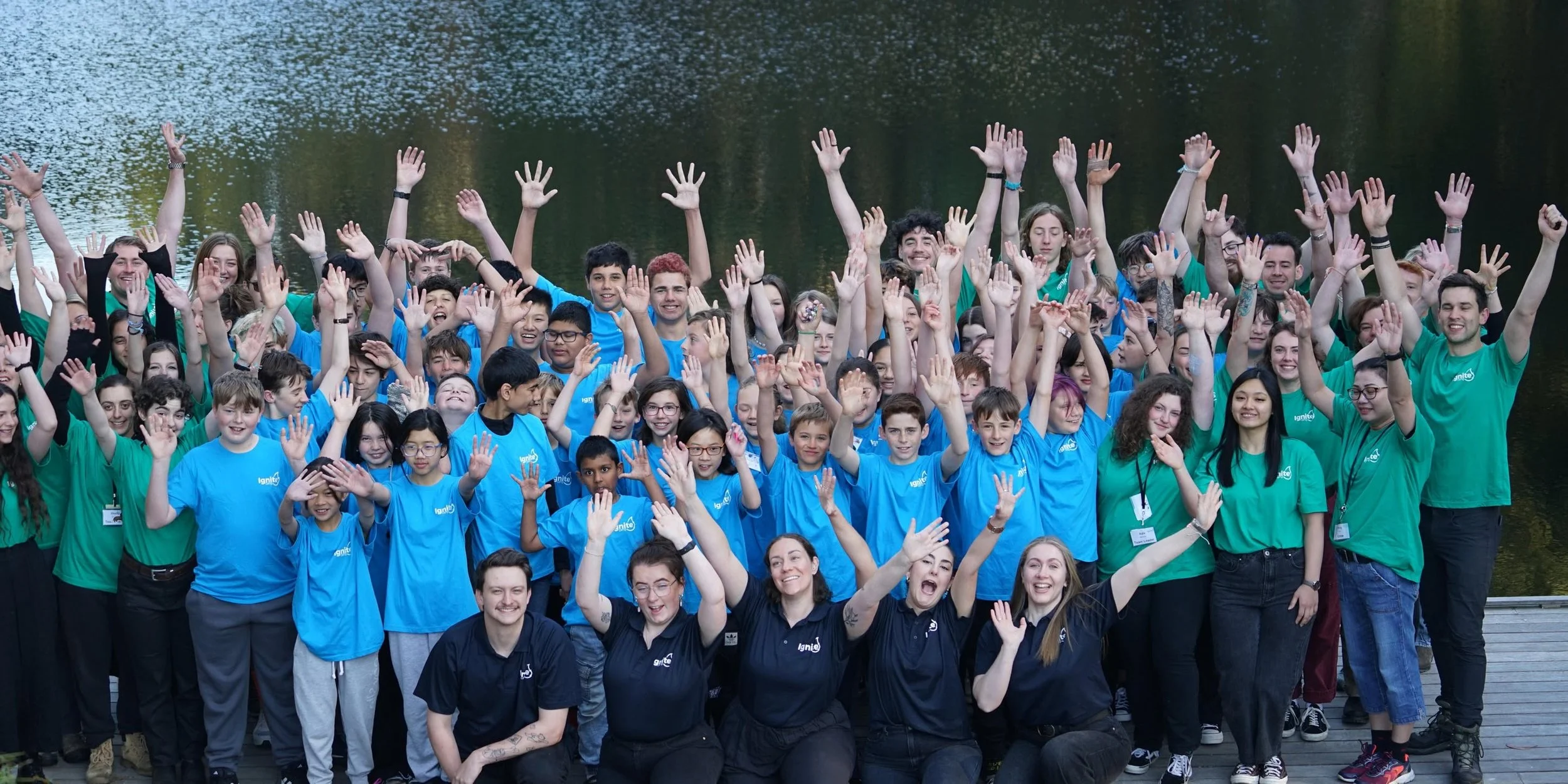
Ignite Camp - The Youth Impact Foundation
What the numbers look like when it works
Andy Skidmore started the Youth Impact Foundation in 2022 with ten youth mental health charities that had spent a year trying to work out how to collaborate. Their conclusion: collaboration, as typically practised across the sector, was a nice-to-have, not a need-to-have. Funders asked for it, but individual organisations experienced it as time away from delivery rather than a contribution to greater outcomes.
So they built a consolidation model instead. As of June 2025, ten organisations have since merged into the Youth Impact Foundation. Across those integrations, expenses are down 22%, revenue is up between 20% and 30%, and net surplus has grown 18%. That 18% goes back into program delivery for young people who cannot afford to participate otherwise.
The model preserves each organisation's brand and programs in the markets they already serve. The reason is specific, not sentimental: when Youth Impact Foundation asked young people what made mental health providers trustworthy, they said the brand the worker carried into the room mattered. So the brands stay. The back office consolidates. Youth workers who previously cobbled together part-time casual roles across multiple small charities can now hold full-time positions within a single entity.
Buying into sectors, not just organisations
For Purpose Investment Partners was established by Michael Traill AM, who helped structure the GoodStart Early Learning transaction back in 2009. Four not-for-profits acquired the assets of the collapsed ABC Learning Childcare centres, keeping 650 centres open for 73,000 children. Traill's view was that acquisitions of that size in the not-for-profit sector, leveraging private capital, should not be a one-off.
Victoria Adams, Managing Director of For Purpose Investment Partners, described the thesis as using fund capital to demonstrate a model works, then using institutional capital to scale it. To date, their aged care platform has acquired two businesses, converting both from for-profit to not-for-profit structures. The conversion matters financially: payroll tax exemptions, salary packaging for staff in a low-wage sector, and lower turnover reducing agency and recruitment costs. The investment instrument is a social loan note with a pay-if-you-can feature that allows coupon deferral if the business unable to meet its interest obligations or debt covenants. In February 2026, investors received a catch-up distribution to 31 December 2025 ahead of the senior debt lock-up period, following the successful trade-up of its development homes and ongoing strong trading performance, with quarterly payments continuing since. The next tranche of notes is expected to sit at a low-teens interest rate, reflecting the reduced risk as the platform scales.
The conversation that unlocks the merger
Skidmore had a fascinating insight about sequencing. The founders he has successfully brought into Youth Impact Foundation were, at heart, driven by the end cause. The barrier was ego, and the way through it was not a financial argument. It was a legacy conversation: what impact do you want your organisation to leave on the world?
Flourish Girl, a Melbourne-based girls' program provider, is the clearest example. The board drove the integration from the start, the process took a year, and program revenue has grown about 20% quarter on quarter since. One major funder tripled their philanthropic giving to Flourish after the integration, now confident the dollars would be used efficiently. The integration costs themselves were covered by the Ian and Shirley Norman Foundation, which funded the process specifically so neither party was left out of pocket.
That is a use of philanthropic capital more foundations could consider: not funding programs, but funding the conditions under which programs can consolidate and thrive.
What needs to change
Merger activity in Australia is well below where it should be, and the gap is not primarily technical. The structures exist. The Youth Impact Foundation model is replicable in disability, early childhood, and other sectors with similar fragmentation. For Purpose Investment Partners has shown a different acquisition model in aged care.
What is missing is a shift in how boards understand their role. The governance question shouldn't be "how do we protect this organisation" but rather "are we the best vehicle for this mission."
If you are a CEO, board member, or funder thinking about consolidation rather than fragmentation, we would like to hear from you.