
By Cynthia Dai
Giant Leap, Australia's first venture capital fund dedicated to impact, was Foremind CEO Joel Anderson's "dream investor." In April 2025, he closed a $1.5M seed round led by Giant Leap, bringing together venture capital and impact investment to scale its workplace mental health platform.
The Mental Health Gap at Work
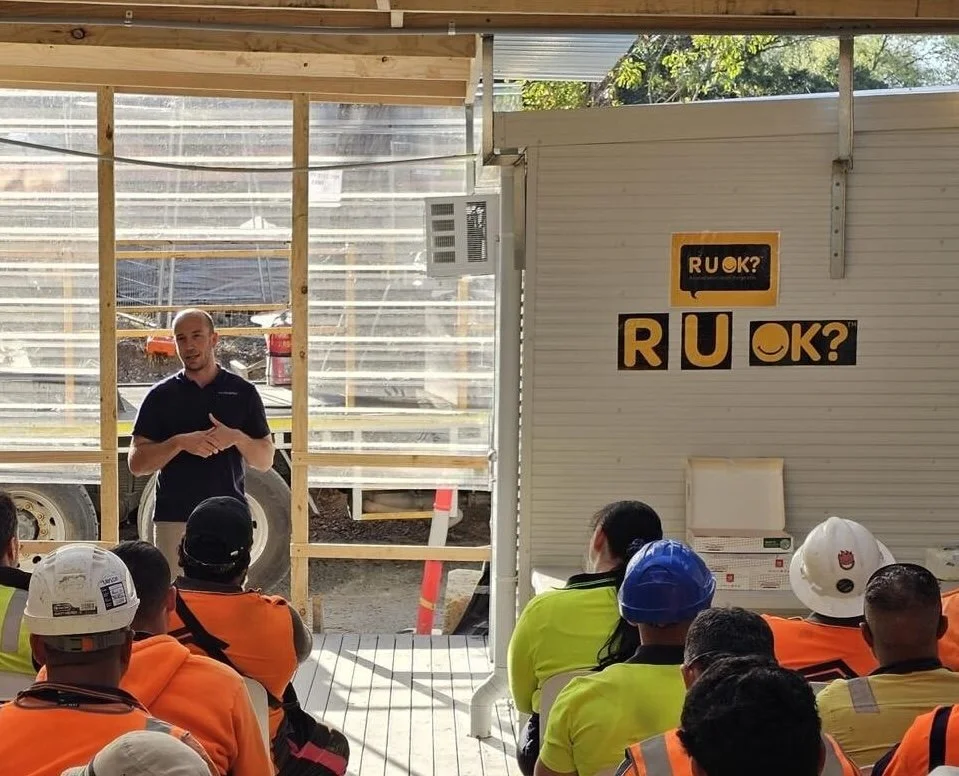
Driven by its mission to bring quality mental health support within everyone's reach, Foremind provides an integrated Employee Assistance Program (EAP) and psychosocial safety compliance platform. Fewer than half of the estimated 10 million Australians who need mental health support annually can get it due to cost, long public wait lists, or poor service even when covered by an EAP. This results in over A$50 billion in economic costs to the nation and in lost productivity or compensation claims for business.
Targeting high-stress fields such as education and healthcare or "tough" industries like construction where stigma prevents employees from seeking help, Foremind aims to make EAPs affordable for Australian organisations and responsive for their employees no matter the size. By combining it with WHS compliance, businesses get a cost-effective EAP plus insights into prevention.
Through a $600k pre-seed round, Tall Order (formerly Skalata Ventures) allowed Joel to quit his tech job, hire 1.5 engineers, and grow to 20 customers. But, he concedes, "We would not exist without the Snow Foundation," highlighting the catalytic role philanthropic support can play at crucial development stages.
Having worked in traditional tech companies, social enterprise was a new concept to Joel so when the Foremind concept solidified after a few pivots, he incorporated it as a traditional Pty Ltd entity. When selected as a 2023 Snow Entrepreneur, Joel was at a financial crossroads, despite previously raising $100k in angel funding, a $30k Innovation Connect grant through the Canberra Innovation Network and a SAFE note through the GRIFFIN Accelerator.
The Snow fellowship came with an initial $200k grant, a close-knit peer cohort and support through Social Impact Hub's Professional Impact Network (PIN) of consultants. I first met Joel through the business diagnostic process, where a fellow consultant and I identified critical areas for advisory, including the need to strengthen Foremind's impact model. Working with a dedicated new hire, we developed Foremind's first impact measurement framework. I also became Joel's mentor, meeting monthly to share my experience to help address new challenges and serve as a sounding board for this first-time CEO and founder.
The Snow Foundation continued its support with a second-year grant of $150k. These grants also allowed Joel to pay himself enough to quit his night-time hospitality job, hire someone to own the social impact measurement framework and add more engineering resources. Critically, the support also included an invitation to pitch at the 2024 Impact Investment Summit, where Joel first met Adam Milgrom, Partner at Giant Leap.
From Grants to Impact Investment
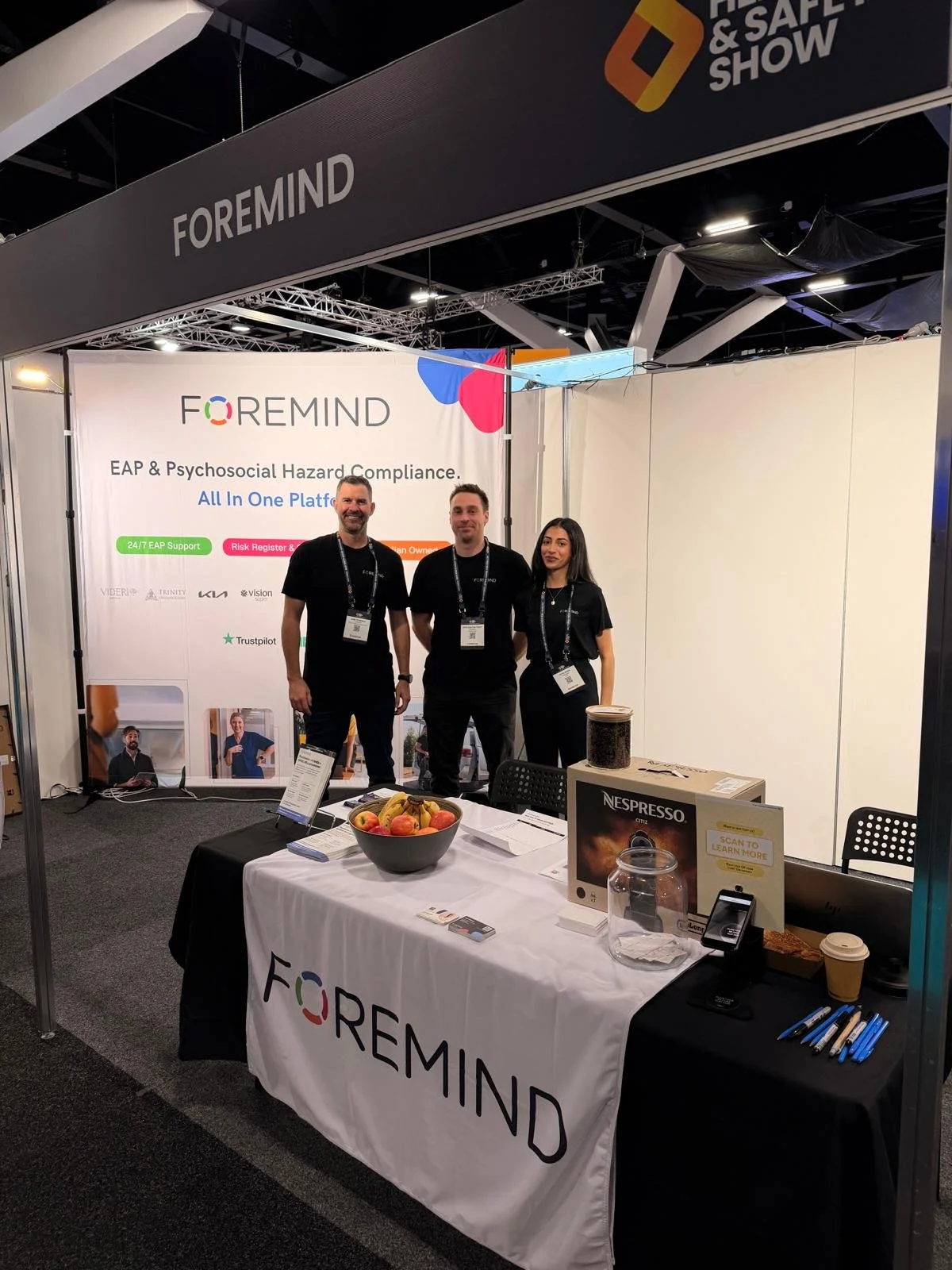
After the introduction, Joel continued to cultivate the relationship with Giant Leap for over a year, sending monthly company updates and meeting multiple times as he began fundraising in earnest for the next round. At that point, Foremind had close to 100 customers and 8 employees. Joel felt confident enough to turn down the chance to join the Blackbird VC-affiliated Startmate Accelerator.
Giant Leap led the round, with Tall Order re-upping, and the Snow Foundation made a direct impact investment in its former grantee, building on two years of grant funding and capability support. GRIFFIN's SAFE note also converted. With this round, Foremind formalised its board, with Milgrom and Maxine Lee of Tall Order each taking a seat, joining angel investor Blake Proberts to form the new board.
Adding only five investments annually, Giant Leap saw an opportunity in Foremind to provide a systems-level response to the mental health crisis through the workplace. "What stood out to us was Foremind's practical, proactive approach that fits how these workplaces actually operate. It's a simple but powerful way to improve outcomes for people who've too often been overlooked," said Milgrom. For the Snow Foundation, the investment built on two years of supporting Foremind through the Snow Entrepreneurs program and observing Joel's progress, the company's growth and its developing impact measurement capability. Snow's existing investment in Giant Leap's funds also provided additional familiarity with the lead investor's approach.
What the Money Unlocked
With this round, Foremind was able to triple its customers to over 300 organisations and for 70% of them, Foremind is their first EAP. Its services now cover 11,000 employees, 55% of whom said they could not afford mental health support otherwise. While this is a testament to Foremind's reach, given that 97% of Australian businesses qualify as SMEs, Joel is especially proud that clients' employees actually take advantage of the support, with an average of 3.2 counselling sessions per user vs. the 1.4 industry average. EAP utilisation rates are notoriously low, running at around 4%, due to slow scheduling, poor matching with counsellors, and the stigma that surrounds mental illness.
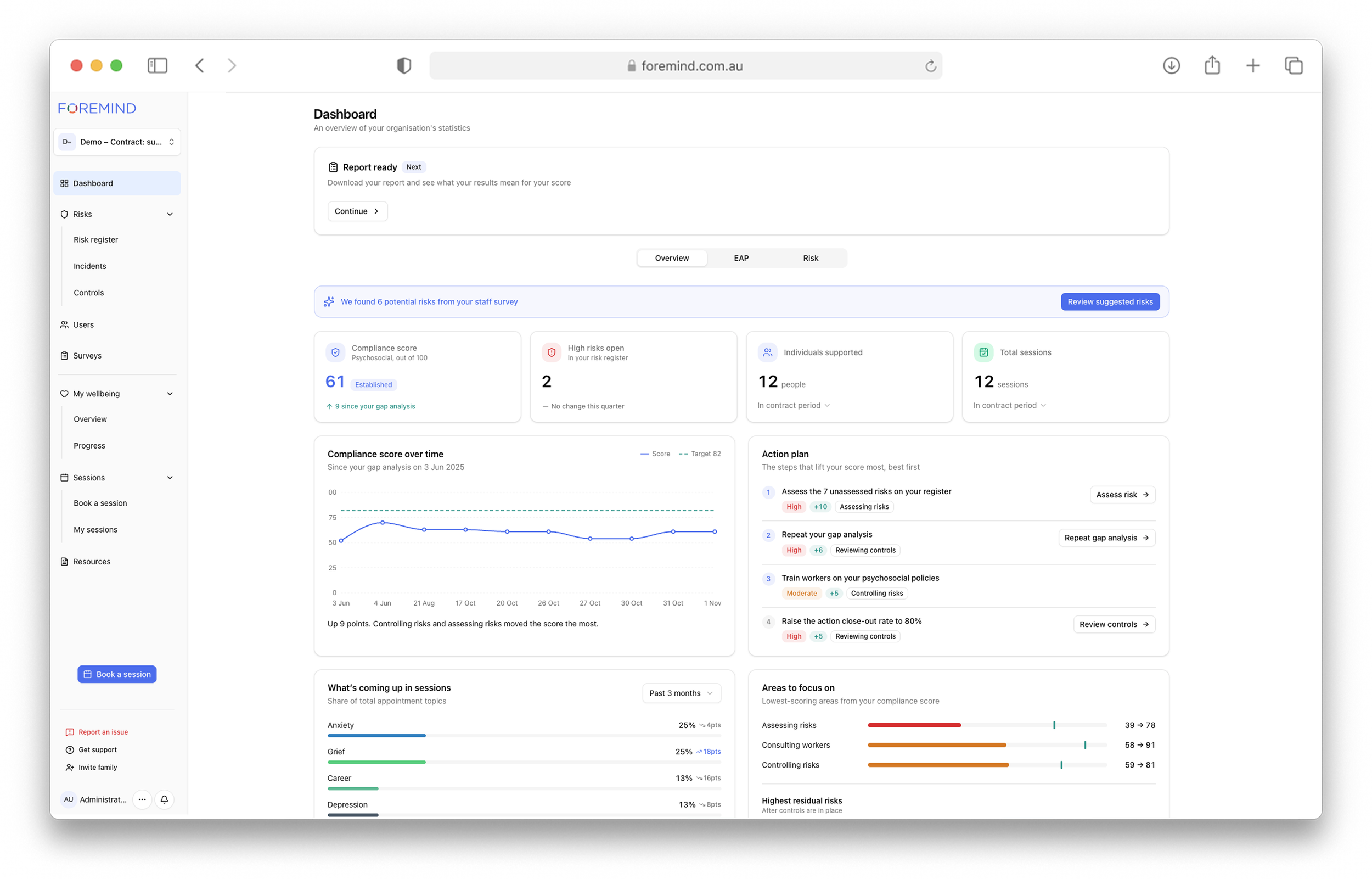
Foremind has achieved this growth by creating a marketing and sales engine to significantly reduce dependency on Joel as a salesperson, enabling him to focus on his CEO duties and lead company strategy. Foremind now has 14 employees, including 4 in marketing and sales with 35 clinicians as part of the care team delivering counselling, family law and nutrition support to employees across Australia. Also key was a complete engineering rebuild of its platform to be enterprise-grade. Foremind is now SOC 2-compliant, meaning it has best-in-class security to protect sensitive customer data, which qualifies Foremind to sell to governments and larger firms.
Before the Close
While fundraising, Joel encountered some challenges not uncommon in new ventures, including having to negotiate to claw back equity from a departing co-founder and employees to clean up the cap table. (He later instituted vesting mechanisms.) He also learned that non-standard shareholder documents from previous investors had to be replaced in this round, requiring them to re-sign. Joel says it would have been much easier if he had access to resources such as the Impact Investing Legal Toolkit, a free resource that helps founders understand standard investment terms and documentation, at the time of the initial investment.
Mission as Competitive Advantage
By seeking impact investment, Foremind closed a key round with aligned investors. The grants from the Snow Foundation reduced the risk, helped catalyse growth and built capability. In addition, Foremind leveraged several sizable R&D tax incentives from the government, available to innovative ventures before profitability, which increased its runway. As Joel notes, "Impact-driven companies outperform because the mission supports growth and is a value proposition to employees."
Cynthia Dai is a strategist and executive with experience across the social, public, and private sectors, drawing on decades in Silicon Valley's tech industry and roles as adjunct faculty in social entrepreneurship, impact investing, and leadership. She is part of Social Impact Hub's Professional Impact Network.